Featured Case Study
Three acquisitions. One platform. Zero broken promises to customers.
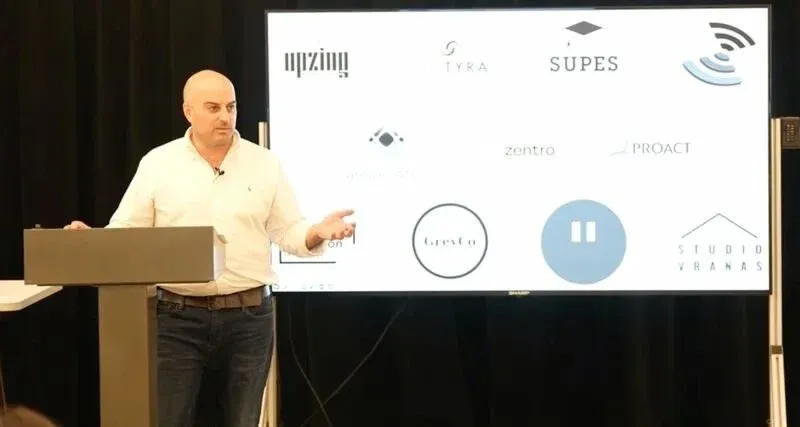
Between 2019 and 2024, Zentro Internet executed a buy-and-build strategy in Chicago-area broadband, acquiring three competitors while continuing organic growth. I led integration as Chief of Staff, Innovation & People. Everywhere Wireless sold to MC Partners in 2021; in 2026 the platform completed a Greystar Infrastructure-led equity recapitalization. This is the deepest test of the operating skill — making two companies run as one — and how it worked.
- <6mo
- Full integration per deal
- <1%
- Customer churn
- 100%
- Key-employee retention
- 95%
- Overall retention
The situation
Three acquisitions in eleven months, each a different integration problem. Silver IP was the platform’s largest Chicago rival — two companies that had spent years fighting for the same buildings becoming one overnight; the merger was as much truce as transaction, and it created the largest MDU-focused ISP in the Midwest: 65,000+ active subscribers across Chicago and Milwaukee. GigaMonster came out of a dissolved, distressed portfolio: a team worn down by bankruptcy, substantial offshore operations to fold into our stack, and the platform’s first move beyond the Midwest — Atlanta, Nashville, Tampa, Miami, Richmond. Snip Internet was the opposite problem — a small, tight team serving Detroit, Cleveland, Milwaukee, and Columbus that had to join a much larger ecosystem without losing what made it good. By the end, the platform was the largest independent MDU-focused provider in the region — 1,200 buildings across Chicago, Milwaukee, Cleveland, Columbus, Detroit, and Atlanta.
My seat in all three: integration lead from the Zentro side, pre-deal through execution — meeting the target’s teams before close, building the operating and integration plans, then running the integration itself.
The approach
Integration isn’t a project plan; it’s triage plus rhythm. Before each close, I ran an operational audit — billing systems, network architecture, customer contracts, team structure, financial hygiene. Day one, the integration cadence started: weekly business reviews, a single scorecard, clear owners for every workstream. The goal was never speed for its own sake. It was protecting what we paid for: the customers, the revenue, and the people worth keeping.
The three things that decide whether an integration works:
Systems before sentiment.
Merge billing, support, and network operations first. Culture conversations land better when paychecks and customer tickets aren’t broken.
One scorecard, fast.
The acquired team joins the operating rhythm in week one, not quarter two. Nothing signals “you’re part of this now” like being on the same dashboard.
Retention is an operations problem.
Customer churn post-acquisition is rarely about the brand changing. It’s about service quality dipping while everyone’s distracted. We measured it weekly and staffed against it.
The results
Across all three acquisitions: full integration — operations, technology, systems, and people — completed in under six months per deal, customer churn held under 1% through the integration windows, 100% retention of key employees, and 95% retention of all employees. In an industry where post-acquisition service dips are the norm and acquired teams head for the exits, the platform kept the customers it paid for and the people who made them worth paying for — and was fully one company again within two quarters, every time.
The longer arc speaks publicly: in 2026, Greystar Infrastructure led an equity recapitalization of Zentro — by then, after a subsequent merger with BAI Connect, the largest private multifamily-focused internet provider in the United States, serving more than 120,000 apartment units across 20+ cities. The integrations of 2022–2023 are part of that platform’s foundation.
What this means for your deal
If you’re a sponsor or CEO with an add-on closing — or a platform where the last integration never quite finished — the playbook above is repeatable. I work as a contract integration lead or interim operating executive: defined scope, defined timeline, hand-off to your permanent team.